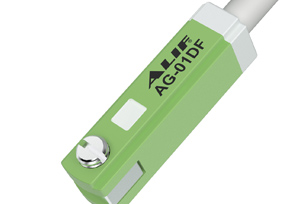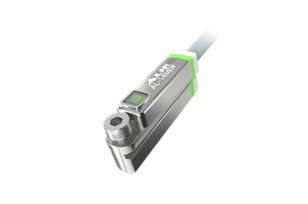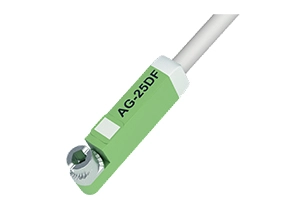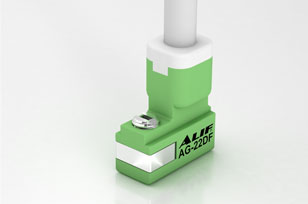
In the field of photography, the 18mm sensor bracket serves as a crucial component connecting the camera and lens, with its stability and precision playing a vital role in ensuring the quality of captured images. However, over time and with frequent use, the performance of the sensor bracket may decline due to factors such as dust, wear, or other elements. Therefore, regular maintenance and care are essential to ensure the optimal functioning of the bracket. This article will discuss practical advice and techniques for the maintenance and care of the 18mm sensor bracket.
Daily Cleaning and Maintenance
Daily cleaning forms the foundation for maintaining the stability of the 18mm sensor bracket. During use, the bracket may accumulate impurities such as dust and grease, which not only affect its appearance but may also have a negative impact on its precision and stability. Therefore, regularly wiping the surface of the bracket with a soft cloth or specialized cleaning paper can effectively remove impurities, keeping the bracket clean and smooth. Additionally, avoid using cleaning agents with chemical components to prevent corrosion or damage to the bracket.
Inspection of Fasteners and Connection Parts
Fasteners and connection parts are critical to the stability of the 18mm sensor bracket. During use, these components may become loose due to vibrations, compromising the stability of the bracket. Therefore, regular inspection and tightening of these components are essential. Use appropriate tools to gently check if screws, nuts, and other fasteners are loose, tightening them promptly if any looseness is detected. Simultaneously, inspect the connection between the bracket and the camera or lens to ensure there is no wobbling or detachment.
Lubrication and Rust Prevention
Lubrication and rust prevention are equally important for the 18mm sensor bracket. Applying a suitable amount of lubricating oil to the sliding or rotating parts of the bracket can reduce friction and wear, enhancing the bracket's flexibility and lifespan. However, it is crucial to choose lubricating oil that is suitable for the bracket's material and avoid excessive use to prevent contamination or a negative impact on precision. Additionally, for brackets not in use for an extended period, rust prevention measures such as applying rust-proof oil or wrapping in rust-proof paper are recommended to prevent rust or corrosion.
Storage and Transportation Considerations
Proper storage and transportation methods are crucial for protecting the 18mm sensor bracket. During storage, place the bracket in a dry, well-ventilated, and dust-free environment, avoiding direct sunlight and moisture. Also, avoid placing the sensor bracket with sharp objects or heavy items to prevent scratches or damage. During transportation, use specialized packaging materials to securely package the bracket, preventing vibration or impact during transit. Additionally, for brackets undergoing long-distance transportation or extended storage, regular inspections and maintenance are necessary to ensure their good condition.
In summary, the maintenance and care of the 18mm sensor bracket are ongoing processes that require attention and careful handling during daily use. Through daily cleaning, inspection of fasteners and connection parts, lubrication and rust prevention, and proper storage and transportation, we can ensure the stability and extended lifespan of the bracket. Moreover, these practices are essential guarantees for improving photography quality and enjoying the pleasure of photography. Therefore, let's take action together to maintain and care for our 18mm sensor brackets!
Various Technology Types of Magnetic SensorsAugust 29, 2022A magnetic sensor is an electronic component that converts magnetic signals into electrical signals. It is often used in automated machinery and equipment to provide information feedback for the contr...view
Enhancing Performance with ALIF's 3-Pin Sensor ConnectorsFebruary 21, 2024In the world of automotive engineering, the use of advanced sensor technology has become increasingly essential in monitoring and optimizing the performance of vehicles. One critical component that pl...view
Selection of the Cylinder SensorMarch 31, 2023Today's cylinder is a compact, reliable and cost-effective prime mover used in automation equipment. They are used in many applications such as mechanical, material processing, assembly, robotics,...view
How to Properly Install and Wire a 3-Pin Sensor ConnectorFebruary 21, 2024Proper installation and wiring of a 3-pin sensor connector for cylinder head temperature sensors is crucial for the accuracy and reliability of your vehicle's engine management system. Whether you...view
Technical Types of Magnetic SensorsJune 6, 2022There are many technical types of magnetic sensors magnetic sensor is an electronic component that converts magnetic signals into electrical signals. It is often used in automatic machinery.view
The Evolution of 18mm Sensor BracketNovember 17, 2023In the ever-evolving landscape of sensor technology, the 18mm sensor bracket has undergone a remarkable evolution, transforming from a simple support structure to a sophisticated component that plays ...view
ALIF is a professional cylinder sensor factory, they are well known to customers for their comprehensive products, good quality, and reasonable prices.